What should you do if offered a free roof?
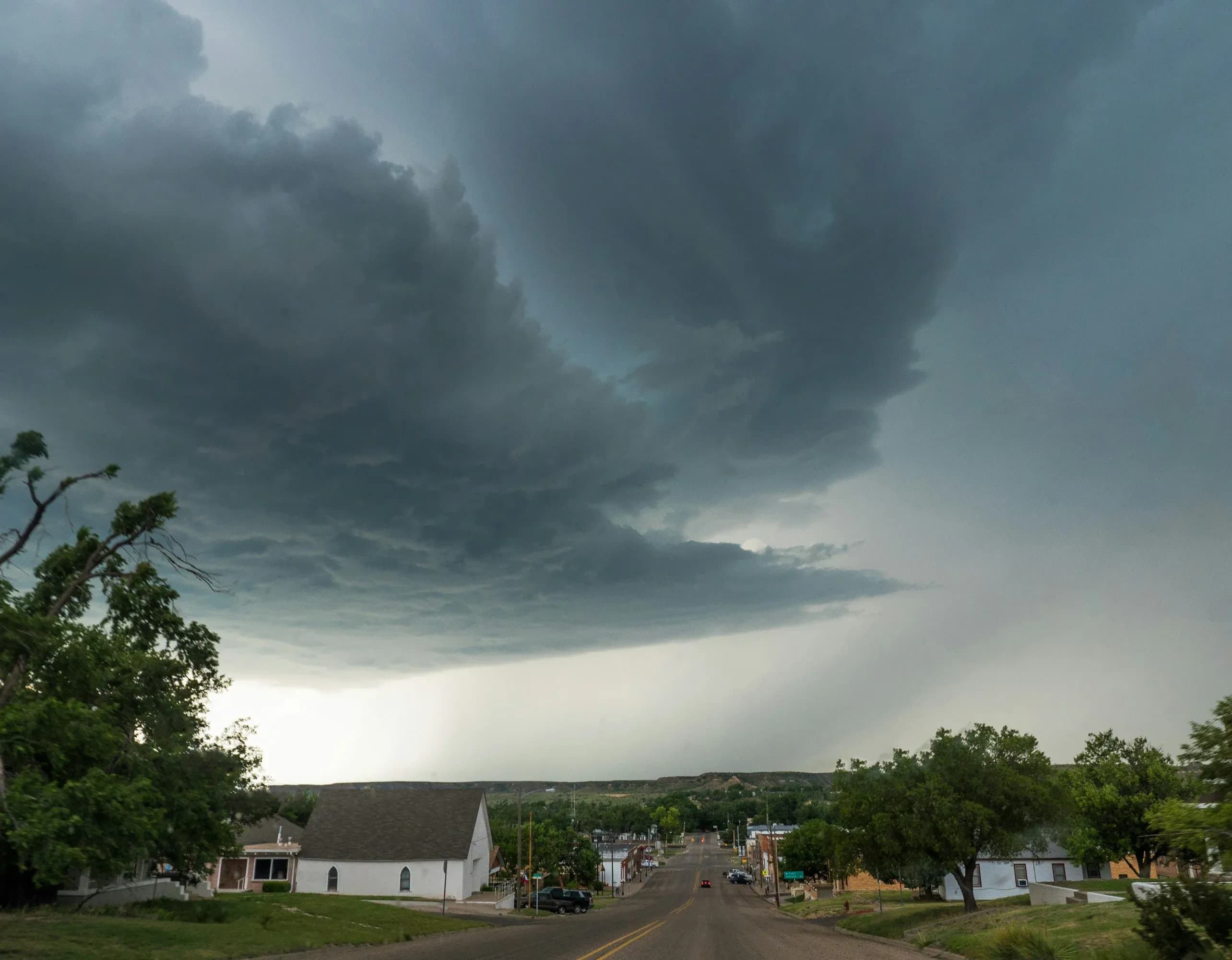
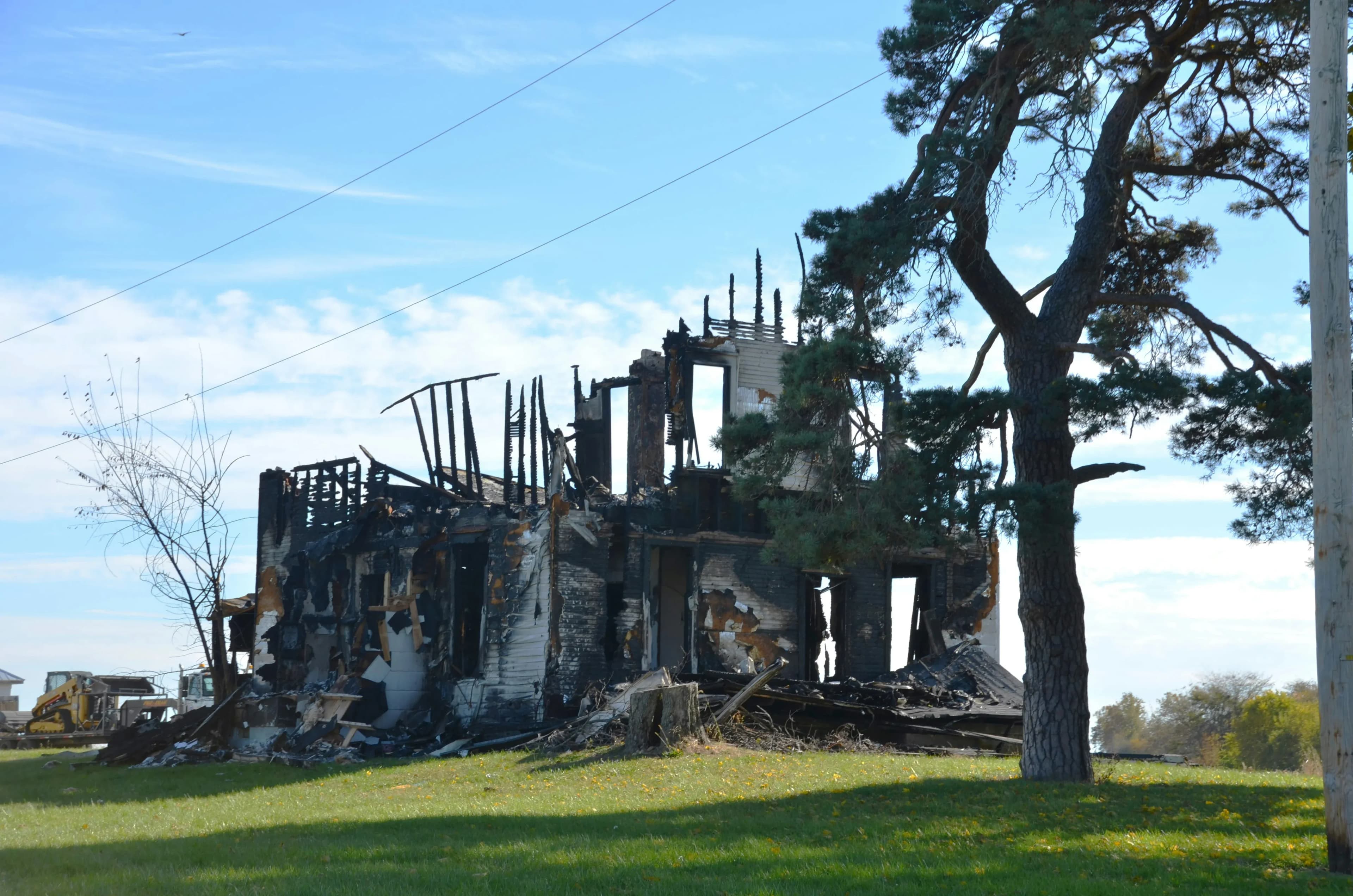
A severe thunderstorm has just hit your neighborhood with high winds and quarter-sized hail that damaged you and your neighbors’ homes, and you’re not sure what the first step should be. Before you can decide on a plan, a contractor knocks on your door. They promise something like a “free roof replacement” or offer to repair the damage to your home and ‘waive’ your insurance deductible if you agree to hire them for the job.
These offers are almost always illegal, and at the least, risky. Let’s explore how this scenario can play out legitimately for your benefit.
What is the deductible on your home insurance?
The deductible is the portion of your insurance coverage that is deducted from your payout and left for you to pay before the insurance carrier contributes additional funds to complete your payout that will be used for needed repairs.
Deductibles can vary in amount, and can be calculated in different ways. Some are priced as a ‘flat rate’ that could be $500, $1,000, or $2,500 for any claim you made on the policy. Deductibles associated with higher-risk perils like wind and hail damage are often calculated as a percentage of the insured structure’s value. If your homeowners policy included a 3% wind and hail deductible for your $350,000 home, you’d owe $10,500 as the deductible amount before your insurer provided a single dollar.
It’s also worth noting that there are different levels of coverage offered by roof insurance policies. When a home and its roof are new, the coverage that’s sold for them is called Replacement Cost Value or RCV. This type of payout covers the cost to repair or replace the system to as-new status using today’s prices.
After approximately ten years of depreciation, most insurance carriers will switch a home’s coverage to Actual Cash Value, or ACV. This type of payout covers the depreciated value of a roof replacement or home repair. That could mean a payout that covers 25% of the cost of a new roof.
Both of these payouts would have your deductible amount subtracted from them, meaning there’s no ‘free roof’ option available through legitimate means, but you do have options to reduce your financial stress following damage to your home.
Free roof replacement is a scam
Getting back to that knock at your door, the offer that was made probably involved some ideas that sounded at least a little suspicious if you were paying attention.
A common scheme is for a roofer to offer to waive or cover your deductible costs in exchange for a guarantee that you’ll hire them. The contractor would include the deductible amount in an inflated estimate of the work to be done, meaning that an inaccurate estimate would be submitted to your insurance company, who would theoretically pay that amount once the work had begun.
Other dishonest contractors might propose that they create two invoices: one for the homeowner showing what they’d pay, and a second falsified invoice for the insurance company to set their payout to an inflated amount. In addition to the deception, these vendors often provide sub-standard work in an effort to increase their profit from the job. Accepting this deal would leave a homeowner with a poorly repaired home and a questionable situation with their insurance carrier.
What does the law say about free roof scams?
This arrangement is illegal. Most state laws categorize this as a type of insurance fraud, and some states, notably Texas, have passed laws that specifically outlaw this behavior. Check your local insurance laws to learn what the consequences could be in your area.
Covering or hiding a deductible in an estimate like this carries criminal charges for both the contractor and the homeowner. Insurance fraud is a crime, not a ‘loophole’ to be exploited to save some money.
Consequences of accepting a ‘free roof’
If you need further convincing that offers like these are always a risky option at the least, consider the consequences that could follow.
Your claim will likely be denied upon discovery of the circumstances.
You could be a party to fraud, even if you are unaware of the wrongdoing.
Poor craftsmanship or rushed work can mean increased maintenance costs in the future.
Sub-standard work could mean a voided roof warranty.
Future claims on your home insurance policy are more likely to be denied.
How can you repair your home for less?
Instead of considering an illegal approach to finding cheaper home repairs, you can explore some legitimate ways to cut your costs and still get your home repaired to a safe level. Legitimate contractors may offer financing options to help you budget for the total cost, and requesting multiple itemized estimates before hiring a professional can help you find the best price for quality work.
Confirm the type of roof coverage included with your homeowners policy now, before disaster strikes. Understanding the difference between ACV and RCV coverage is key to finding the best way to protect your home for your financial circumstances.
Maintain a clear line of communication with your insurance agent and the adjusters who are assigned to your claim to learn how to get your home repaired in the most cost effective and efficient way.
How to spot questionable contractor offers
Work with contractors who have been recommended by trusted parties whenever possible, but even in cases of known professionals, keep these ‘red flags’ in mind as signs of trouble.
- Any offer to waive or ‘cover’ the deductible that you owe.
- A request for an unusually large payment up front.
- Hesitation to provide proof of licensing, insurance or bonding.
- Sudden appearance of contractors after a storm using high-pressure sales tactics.
What to look for in a good contractor
- Consider insured, licensed, locally based contractors.
- Request references and check any online reviews.
- Insist on clear, itemized documentation for all work.
- Verify any relevant manufacturer certifications or qualifications.
Find the right solution with professional help
Although questionable options exist in many towns, likely including your own, there are always legitimate ways to repair your hail-damaged property while staying within the provisions of your roof insurance policy.
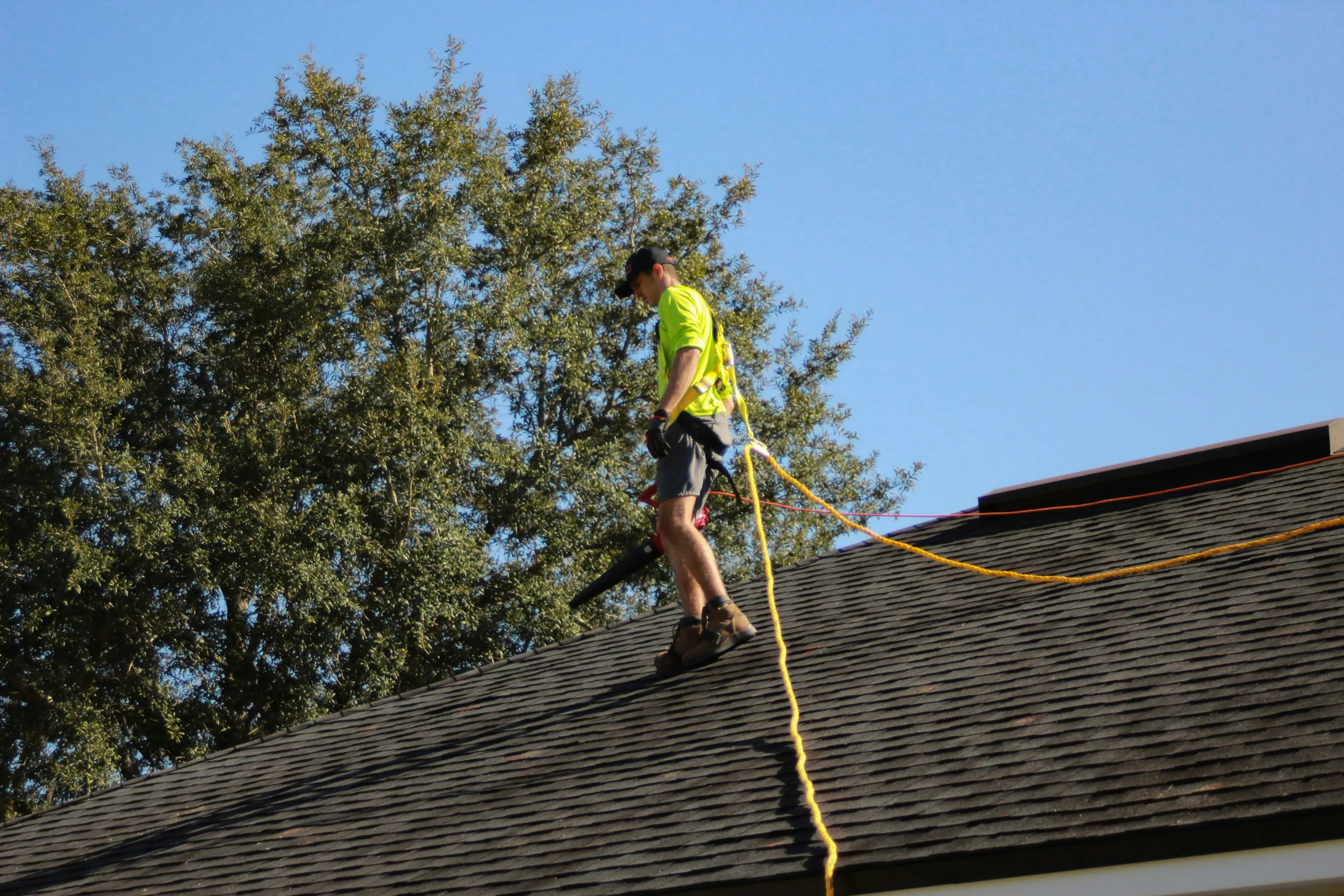
If your home has been damaged by hail and wind from a storm, schedule an inspection with a licensed roofing professional to get a complete picture of the damage. This will allow you to be informed before you request an estimate (or multiple estimates) from trusted contractors to decide on what work is needed and how much it should cost.
Sources:
Glaser, Ron. “What the HB2102 Deductibles Law Means for Roofers” The Lane Law Firm, Sept. 16, 2019, https://www.lanelaw.com/collaborate/roofing-contractors/blog/what-the-hb2102-law-means-for-roofers
“Storm Renovation Laws - A State-by-State Survey” Alden Pearson Legal, https://aldenpearson.com/wp-content/uploads/2020/11/Deductible-Rebates-state-by-state-for-publication.pdf

Gray is the Senior Content Specialist at Sola Insurance, working with the Sales and Marketing teams to provide helpful, valuable content for homeowners and agents. Gray has worked previously in finance, logistics, and advertising.