What are FAIR plans for home insurance?
FAIR Programs are insurance policies offered by “insurers of last resort” for homeowners in most states.
These offerings are also referred to as residual market insurance plans or the involuntary market for home insurance. FAIR plans are made available for property owners who have been rejected by private market insurance carriers due to high-risk factors.
What kind of coverage does residual market insurance provide?
FAIR plans provide coverage as a last resort for homeowners with limited options.
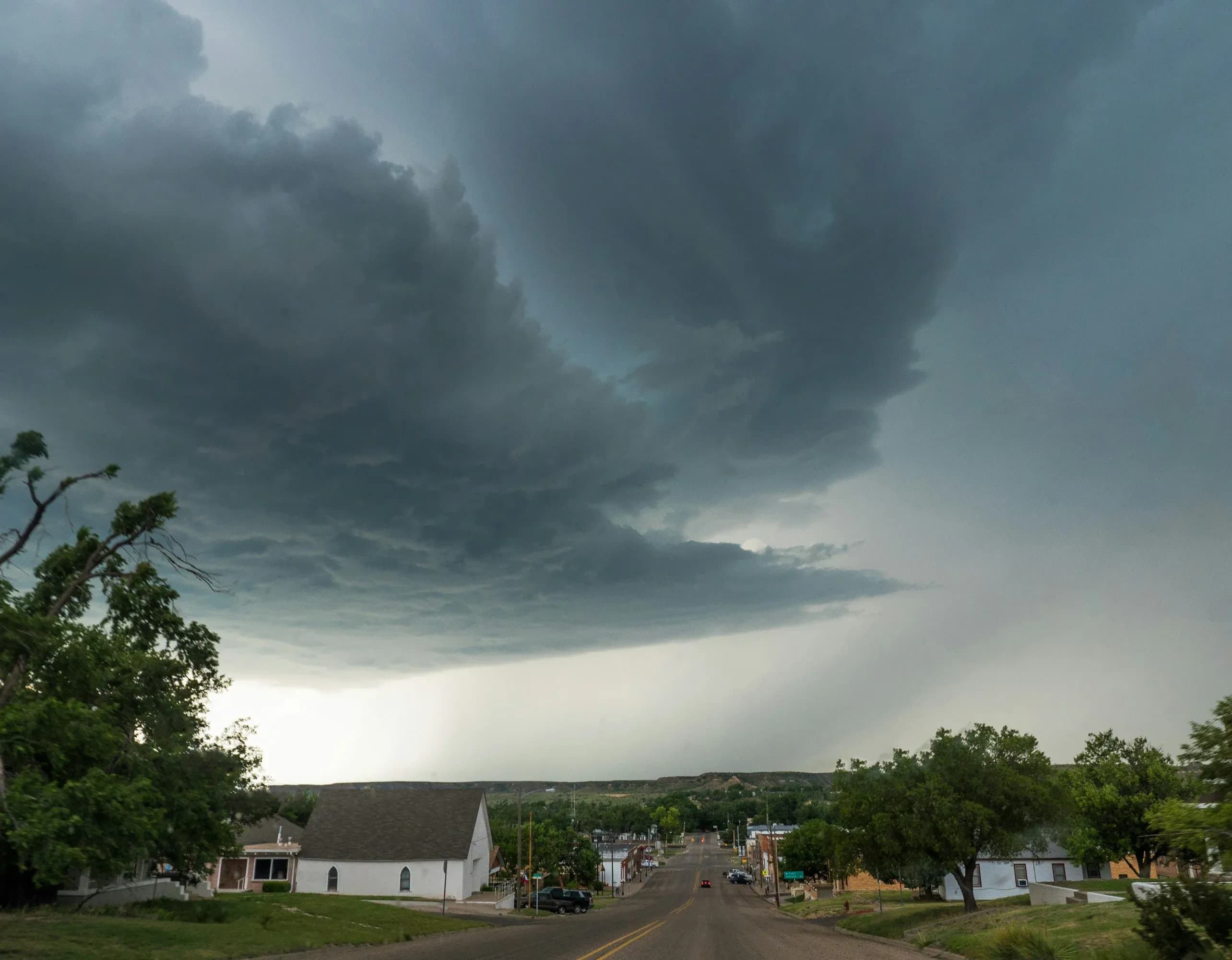
This is generally considered as coverage for homes that don’t qualify for other insurance options because of especially high risk, usually based on weather, but also crime risk in some cases. Residual market insurance policies are intended to provide relief in the case of a catastrophic event impacting your home, and are not intended to be used in any maintenance capacity. A FAIR plan policy might offer a homeowner in a state with high risk of wind and hail damage an option for buying home hail insurance when no other option is available.
When did FAIR plans first become available?
The first FAIR plans were offered in the late 1960s as a response to the sharply increasing risk levels in many parts of the U.S. Higher risk of civil unrest and weather disasters drove up the number of areas that were considered uninsurable by the insurance market. The residual insurance market was created in 1968 by California lawmakers who sought to keep home insurance available to all homeowners, despite the risk level of their homes.
The U.S. government soon followed the California model by implementing the Urban Property Insurance Protection and Reinsurance Act of 1968. This led to the adoption of similar plans in 26 states and the District of Columbia soon thereafter. Additional states have created similar plans and as of late 2024, a total of 34 states offer some form of ‘last resort’ home insurance option.
What types of homes can qualify for FAIR insurance of last resort?
Insurance of last resort availability is typically defined more specifically by the location of a property and the known perils present than it is by the type of structure. The status of a home can be a factor, however. The risk qualifications of a home could include old wiring or plumbing that makes the structure unsafe.
Properties that qualify for FAIR coverage include:
Residences in high-risk areas
Rental properties
Vacant or unoccupied homes
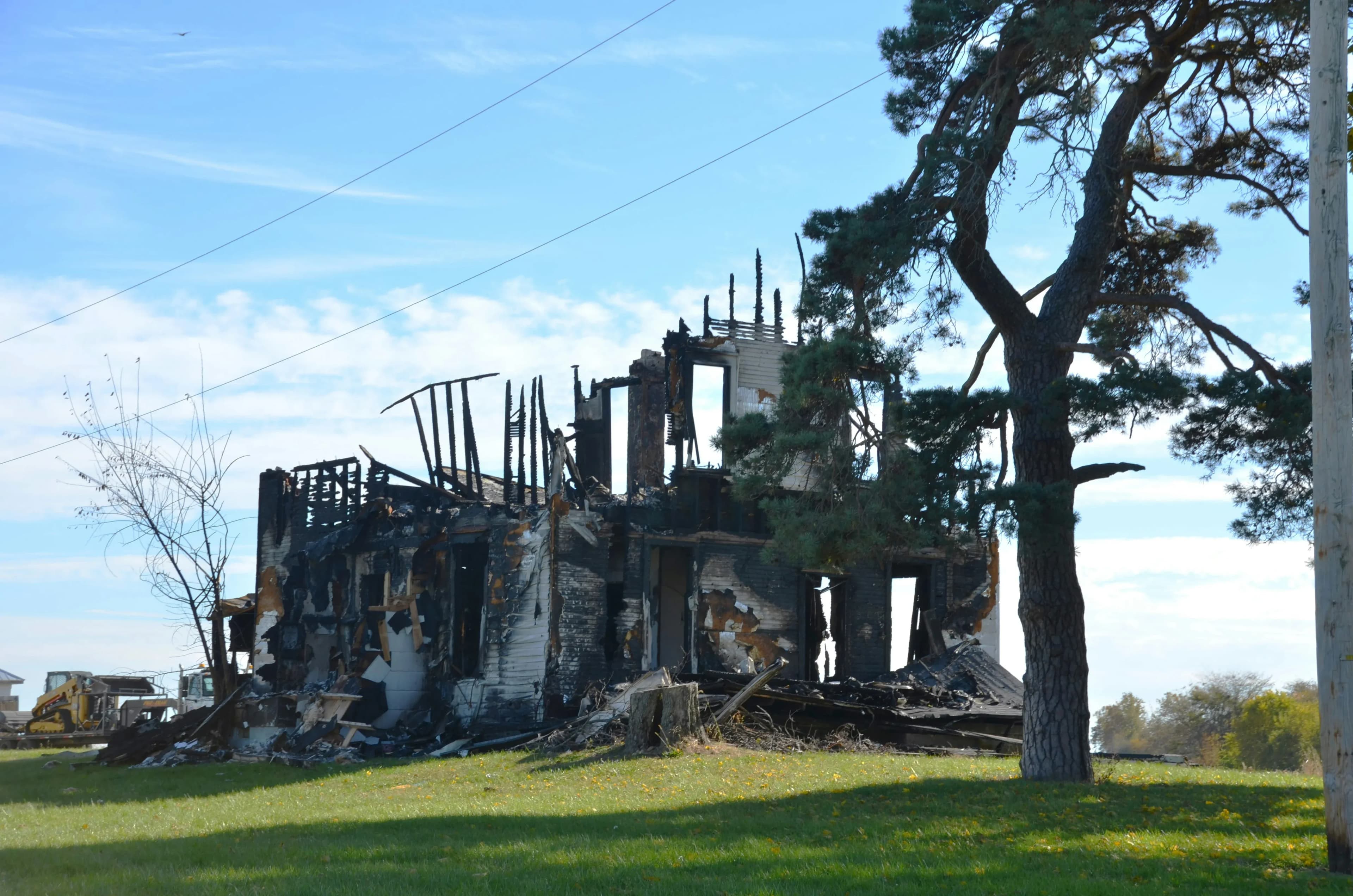
Older or dilapidated homes
Commercial properties of smaller size, in some states
Exclusions for FAIR program coverage include:
Other structures on the property
Personal property
Personal liability compensation
Loss of use compensation
What are the limitations of FAIR plan coverage?
Residual market or FAIR insurance policies are often limited in the type of coverage they offer. Many policies are single-peril for a specific risk factor relevant to that area, such as wind and hailstorms, or fire. The policy may include multi-peril coverage, yet still exclude other perils.
Common exclusions from FAIR plans include:
- Floods
- Earthquakes
- Hailstorms
- Theft
- Vandalism
Also, premiums for residual or involuntary market insurance policies are typically higher because of the increased risk factors they’re offering coverage for. This level of coverage is rarely the most attractive option for homeowners, but in some cases it may be the only one available at that time.
How do I apply for FAIR coverage in my home state?
Before applying for FAIR home insurance coverage, it’s best to confirm any restrictions on this type of insurance that may exist in your state. Your local Department of Insurance should be able to confirm their policy, but some general rules apply across the states that offer this coverage:
- The property you’re buying coverage for must be free of any penalties or liens.
- The building must be current on all building and sanitation codes, regulations, or laws.
Once you’ve confirmed your eligibility for FAIR Plan insurance in your state, you can seek information from the local Department of Insurance or work directly with an insurance agent who has been licensed to sell policies of this kind.
FAQs about FAIR
Which states don’t offer FAIR plans for home insurance?
While there is no national website for sharing information about this type of insurance, there are directories that offer links to information on the FAIR plan in your state. As of this writing, the following states do not have a FAIR plan in place. Homeowners in the states listed below must find coverage from an insurance carrier on the open market,
- Alaska
- Arizona
- Arkansas
- Idaho
- Maine
- Montana
- Nebraska
- Nevada
- New Hampshire
- North Dakota
- Oklahoma
- South Dakota
- Tennessee
- Utah
- Vermont
- Wyoming
Sources:
Darden-King, Quiana. “What Is FAIR Plan Home Insurance?”, U.S. News & World Reports, Aug. 06, 2026, https://www.usnews.com/insurance/homeowners-insurance/what-is-fair-plan-home-insurance
“Fair Access to Insurance Requirements Plans”, National Association of Insurance Commissioners, Dec. 13, 2024,
https://content.naic.org/insurance-topics/fair-access-to-insurance-requirements-plans
“Fair Access to Insurance Requirements Plans”, National Association of Insurance Commissioners, Dec. 13, 2024, https://content.naic.org/insurance-topics/fair-access-to-insurance-requirements-plans
Walls, Margaret. “The Evolving US Homeowners Insurance Market: Four Major Trends and What We Know About Them”, Resources for the Future, Sept. 01, 2026, https://www.rff.org/publications/issue-briefs/the-evolving-us-homeowners-insurance-market-four-major-trends-and-what-we-know-about-them/
“Get Windstorm Insurance”, Texas Windstorm Insurance Association, https://www.twia.org/property-owners/get-windstorm-insurance/

Gray is the Senior Content Specialist at Sola Insurance, working with the Sales and Marketing teams to provide helpful, valuable content for homeowners and agents. Gray has worked previously in finance, logistics, and advertising.