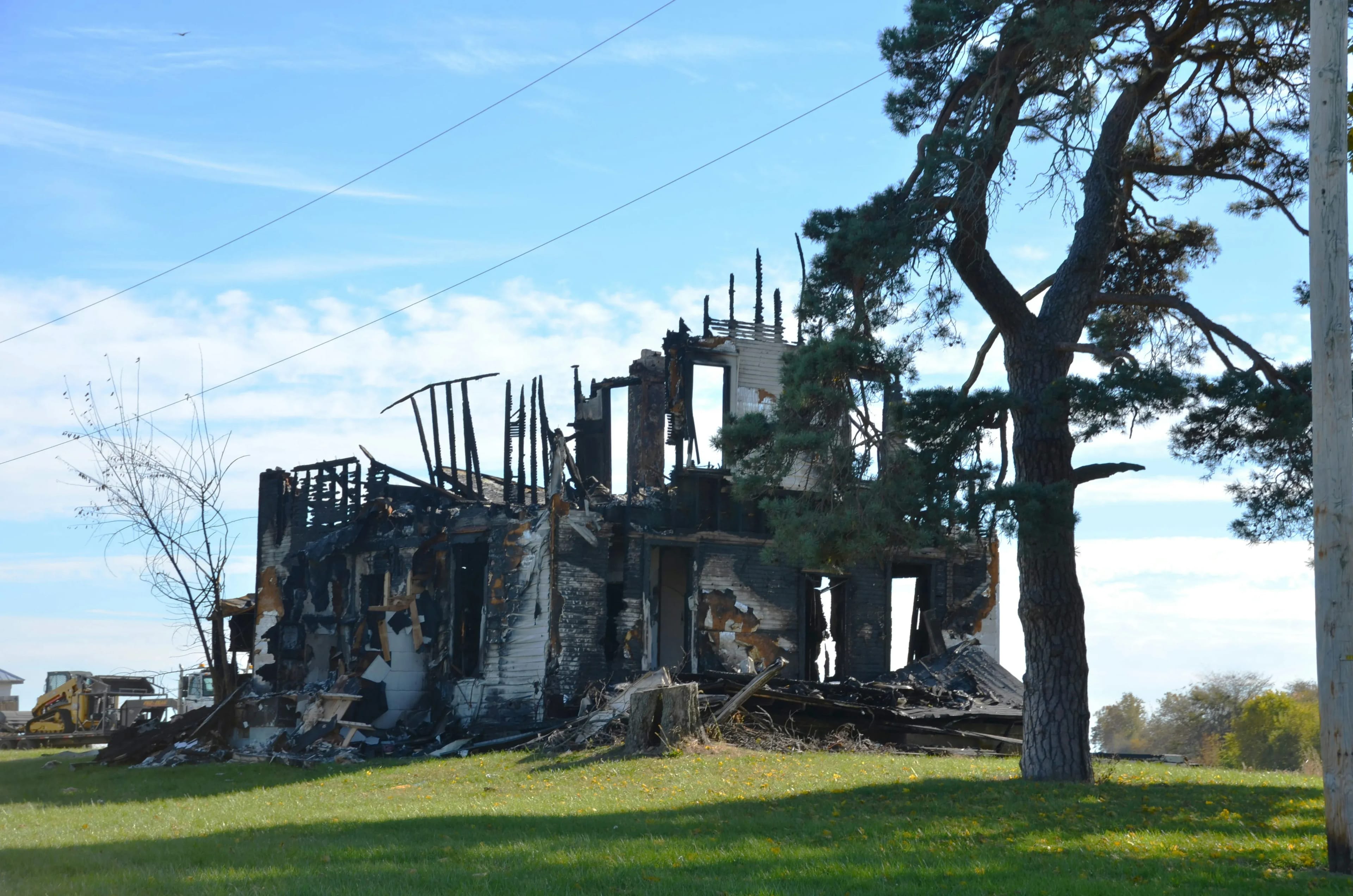
What is hazard insurance for a homeowner?
Hazard insurance provides coverage for damage to your physical property that is caused by a list of specific hazards, or perils.
What’s the difference between hazard insurance and homeowners insurance?
Hazard insurance for your home is a part of the coverage provided by a homeowners insurance policy. Hazard coverage is there to provide compensation for physical damage caused by the hazards listed in the home policy. In some cases, homeowners insurance as a whole may be referred to as hazard insurance by mortgage lenders or other organizations involved in the financing of residences.
What does home hazard insurance cover?
Home hazard insurance is written to provide coverage for a set list of perils or hazards that are the most common threats to American homeowners. These ‘named perils’ are familiar to insurance providers and agents across the country, but many homeowners may not realize which ones are covered and which are not.
Here are 16 common perils that are typically covered by homeowners insurance.
- Fire or lightning
- Wind or hail
- Explosion
- Riot or civil unrest
- Damage by aircraft
- Damage by vehicle
- Smoke
- Vandalism
- Theft
- Volcano
- Falling object
- Weight of ice or snow
- Discharge or overflow of water or steam
- Sudden tearing, cracking, or bulging of water or HVAC system
- Freezing of a plumbing, heating, HVAC, or sprinkler system
- Accidental damage from electrical current
What does hazard insurance not cover?
While the most common hazards likely to damage a home are typically covered by home hazard insurance, there are almost always exclusions. These exclusions will often vary with the area in which the insured property is located, but there are some common exclusions across the United States.
Common exclusions from home hazard insurance coverage
- Flood
- Earthquake
- Landslides, sinkholes, and mudslides
- Damage from lack of maintenance
- Mold
- Insect or rodent damage
- Sewer backup
- Foundation movement and cracking
How much does home hazard insurance cost?
Standard home hazard insurance, or homeowners insurance, costs an average of $2,490 per year. This average is taken from the annual cost for all 50 states, from the high of Oklahoma's annual price of $7,255 to Delaware’s $1,365. The massive difference in prices seen in this example is due to Oklahoma’s location in the plains states, in Tornado Alley, and in Hail Alley, meaning that Oklahomans experience far more risk of severe weather than any household in Delaware.
Wind and hail home insurance is a hazard that is typically included in a homeowners insurance policy, but is often priced out with its own deductible within that coverage. Wind and hail damage are the reasons for most home insurance claims made by U.S. homeowners, and the separate wind deductible, which is required by law in several states, provides insurance carriers with a way to continue offering affordable home insurance in areas with high levels of wind and hail risk that could price many homeowners out of the market, otherwise.
Five steps to get the right hazard insurance for your home
- Estimate the replacement cost - Determine what it would cost you to completely repair or rebuild your home at today’s prices for materials and labor. Use this sum as a guide in your decision about how much coverage you need to protect yourself, financially, in the event of a disaster. A popular guideline is to insure a home for at least 80% of the replacement cost. If your home was valued at $450,000, it should be insured for at least $360,000.
- Determine your home’s required coverage level - Consult with your insurance agent or a representative for your home mortgage loan. They should be able to clarify any requirements of your home loan or homeowners association.
- Gather recommendations and review your options - Consult with your neighbors, trusted local businesses, and friends with similar homes. Read local reviews from sites like TrustPilot, the Better Business Bureau, and Google Business Profiles. Check for testimonials from previous customers to get a better picture of how insurers treat their clients.
- Comparison shop by requesting several quotes - Instead of going with the first quote you’re offered, request a quote from at least three different insurance providers, and ask each if any discounts are available with bundled policies, impact-resistant roofing materials, or other points of compromise.
- Buy the policy that suits your needs - Once you’ve decided on the best provider and amount of coverage for your needs, make the purchase through your local insurance agent or the provider’s website. Check the insurer’s payment options before buying–discounts are often available for full-year policy purchases or certain methods of payment.
Sources:
“What Is Hazard Insurance?”, National Association of Realtors, https://www.nar.realtor/insurance/hazard-insurance-vs-home-insurance
“Home Insurance”, Insurance Resources, Georgia OCISF, https://oci.georgia.gov/insurance-resources/home
Asis, Alani. “Hazard Insurance in Texas: A Complete Guide for Homeowners in 2026”, Insurify, Sep. 30, 2026, https://insurify.com/homeowners-insurance/hazard-insurance-texas/
“Which disasters are covered by homeowners insurance?”, Insurance Information Institute, https://www.iii.org/article/which-disasters-are-covered-by-homeowners-insurance
Schlichter, Sarah. “The Average Home Insurance Cost in the U.S. for 2026”, Nerdwallet, May 6, 2026, https://www.nerdwallet.com/insurance/homeowners/learn/average-homeowners-insurance-cost

Gray is the Senior Content Specialist at Sola Insurance, working with the Sales and Marketing teams to provide helpful, valuable content for homeowners and agents. Gray has worked previously in finance, logistics, and advertising.


