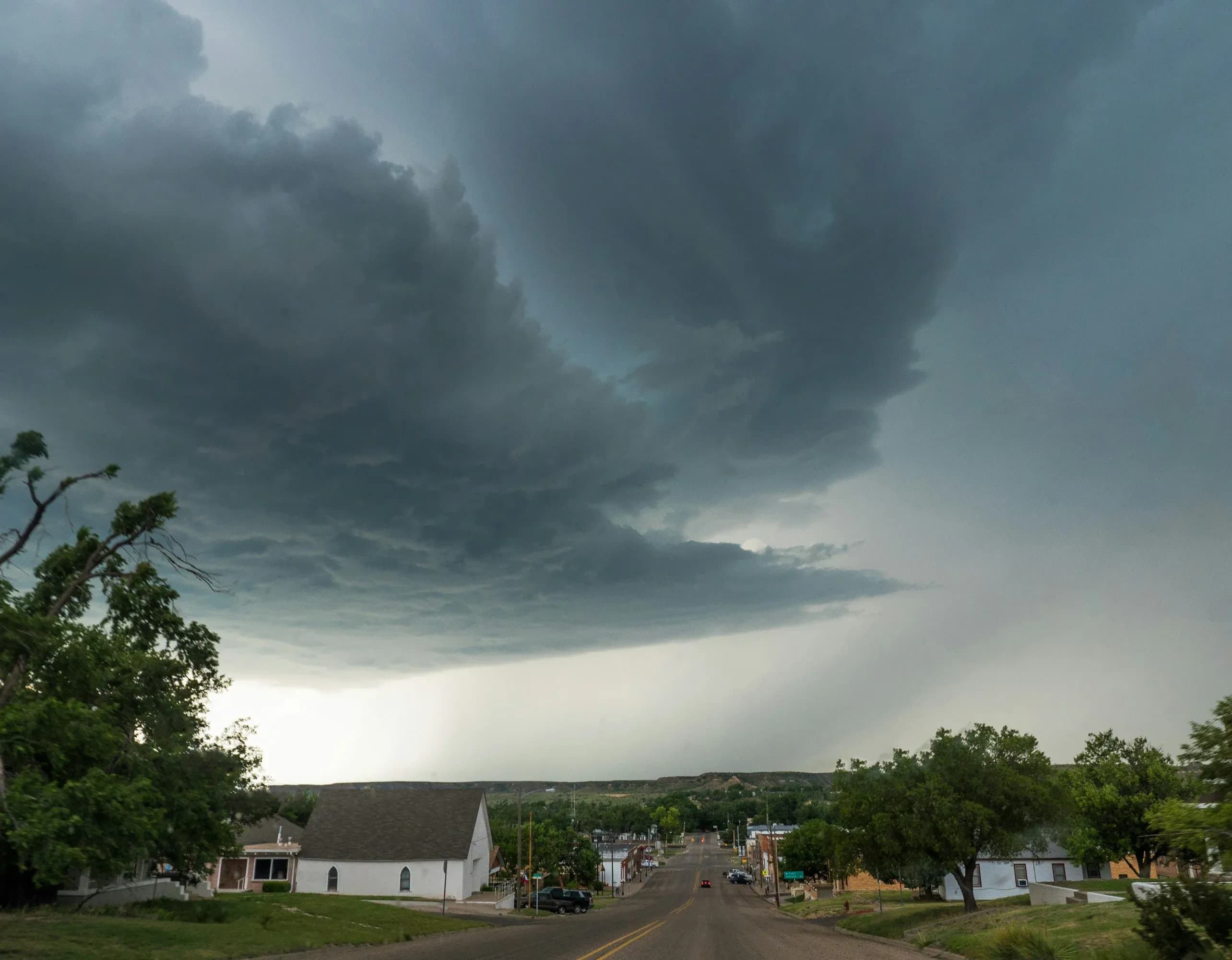
When you think of “storm season,” you may picture spring rainstorms or summer hail, but the fall months often bring their own surprises that can appear as late as November in some states, especially those on the East Coast.
Severe convective storms (SCS) are the category of weather events that includes thunderstorms, hailstorms, and several types of windstorms.
Thunderstorms and hurricanes can still be a threat in the fall
Thunderstorms generated by the collision of colder mountain air rushing south to collide with warmer, more moist Gulf air over the Great Plains and areas to the south are the drivers of most of the convective storms that bring damaging weather conditions to over half of the states in the country.
When these bodies of air mix, they create a lifting force that pushes moisture in the air up to higher elevations where the temperature is much lower, often well below freezing. When water droplets at this height gain enough weight to change behavior from "drifting" to “falling,” the frozen droplets head back to Earth. This results in a hailstorm that often accompanies windstorms and thunderstorms that form from the same conditions.
In the coastal states, hurricanes and tropical storms remain a threat through the entire fall season, with the highest risk of storms making landfall being late September, but possible as late as November.
Hurricanes are the obvious threat to the Gulf Coast and East Coast states, but even inland areas can fall victim to hurricane damage. A recent example was Hurricane Helene from late September of 2024 which brought massive damage to Western North Carolina and parts of northern Georgia and Tennessee.
Why is hurricane season later in the year?
As with most storms, the reason is a difference in temperatures. The Atlantic Ocean and the Gulf of Mexico spend the summer months heating up. Meanwhile, the temperature in the lower atmosphere begins to drop in the early fall. The difference in temperatures between water and air provides conditions that often result in the formation of powerful ocean-borne storms later in the year.
What are Nor’easters and when do they occur?
Named for the strong, freezing winds that move them along the East Coast of the U.S., nor’easters are powerful windstorms that almost always bring heavy rain or snow along with their frigid winds. Nor’easters are most commonly seen in the fall months, starting in September, but have been recorded as late as April.
Although they form along the coastline, as with hurricanes there are cases of nor’easter damage spreading hundreds of miles inland. The “I-95 Corridor” between Philadelphia, New York, and Boston is typically hit the hardest by storms of this type.
How can I prepare my home for autumn storms?
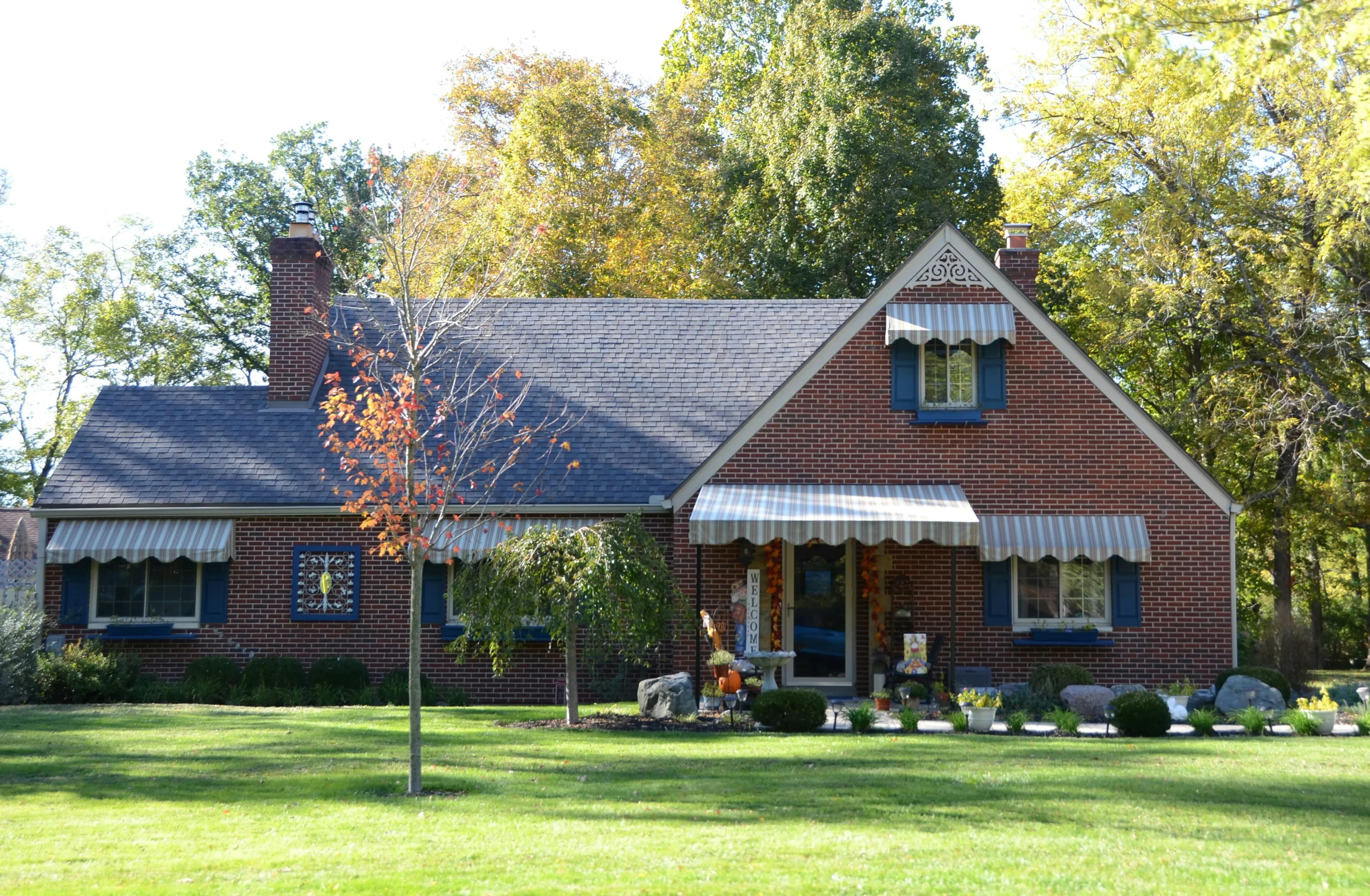
Homeowners who live in areas affected by these strong fall storms can do several things to protect themselves and their homes before the worst of the fall weather comes to their town.
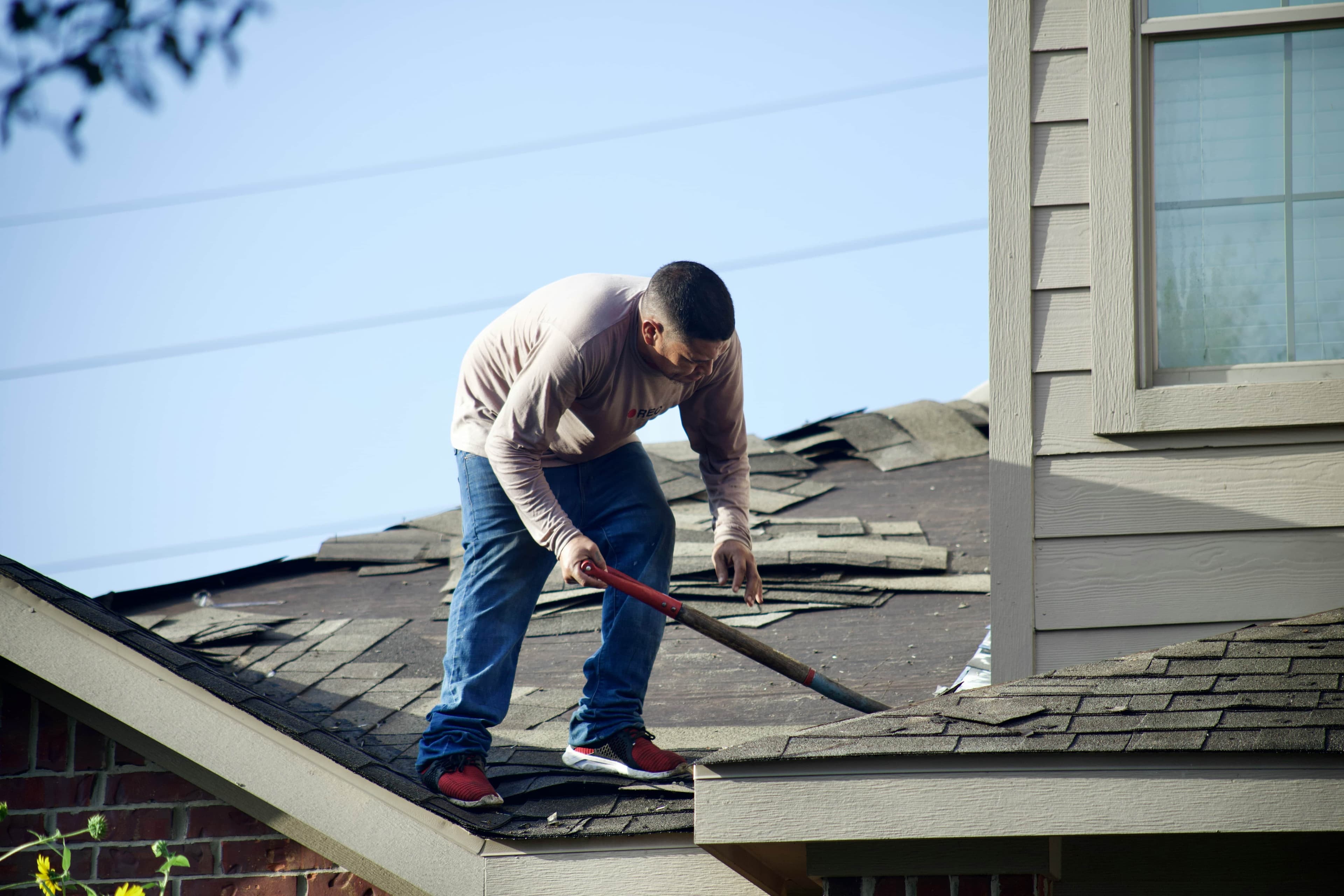
Off-season months before storm seasons are an excellent opportunity to assess the health of your home’s roof and take a record of any damage or flaws that might be visible. The safest and easiest way to go about doing this is to commission a roofing report (including photographs) from a reputable local roofing professional. With this information in hand, you can be confident in the state of your home, and also be prepared with a reliable record of your home’s ‘before’ status in the case that a damaging storm does pass through.
Beyond the structural health of your home, it’s also worth your time to educate yourself on the details of your homeowners insurance, what it covers, what may be excluded, and how much you’d really pay if you needed to file a claim on the policy thanks to autumn storm damage.
What should I know about my home insurance for fall storm season?
One important part of your home insurance policy to understand completely is how the deductibles work. While many home deductibles are still defined as a flat price that you’ll owe no matter how large the claim, other types of coverage, such as wind and hail damage insurance are often written with a ‘percentage deductible’ that equals a certain percentage (often 1%-2%) of the total insured value of the property.
Deductible - The deductible is the amount owed by the homeowner when you file a claim against your insurance policy. Once the deductible has been paid, the insurance provider will release the payout to cover the rest of the repair costs, up to the policy limit.
Percentage deductibles are more common in recent years, and should be noted as a cost that often creates a surprise expense for homeowners who are inexperienced with the claims process and the expenses that can be involved.
Deductible costs are rising in many areas, and just awareness might not be sufficient preparation for homeowners for whom the deductible is higher than they’re comfortable spending. For American homeowners looking to find assistance in covering high deductibles for wind and hail damage or other perils, an add-on policy may be the right option to provide some deductible relief. Parametric or parametric hybrid insurance options like Sola’s Wind and Hail coverage allow flexible use and quick payments to assist with deductible payoffs and other recovery costs.
How can I prepare myself for fall storms?
Many fall storms can arrive in a flash, sometimes without much warning. Deciding ahead of time where in your home you will take shelter when a severe windstorm is in the area can be a lifesaving move. Inside your home, look for the lowest, most central space with the fewest windows, and prepare the area for everyone who will need shelter.
Gather a few emergency supplies in case you lose power or water. Flashlights, a radio, extra batteries for both, candles, some shelf-stable snacks, and drinking water are all useful things to have on hand if you need to stay inside for a while until a storm has moved on or disappeared.
With some forethought about your home, your home insurance, and your emergency plan, you can feel confident and prepared for the worst that autumn storms might bring your way.

Gray is the Senior Content Specialist at Sola Insurance, working with the Sales and Marketing teams to provide helpful, valuable content for homeowners and agents. Gray has worked previously in finance, logistics, and advertising.