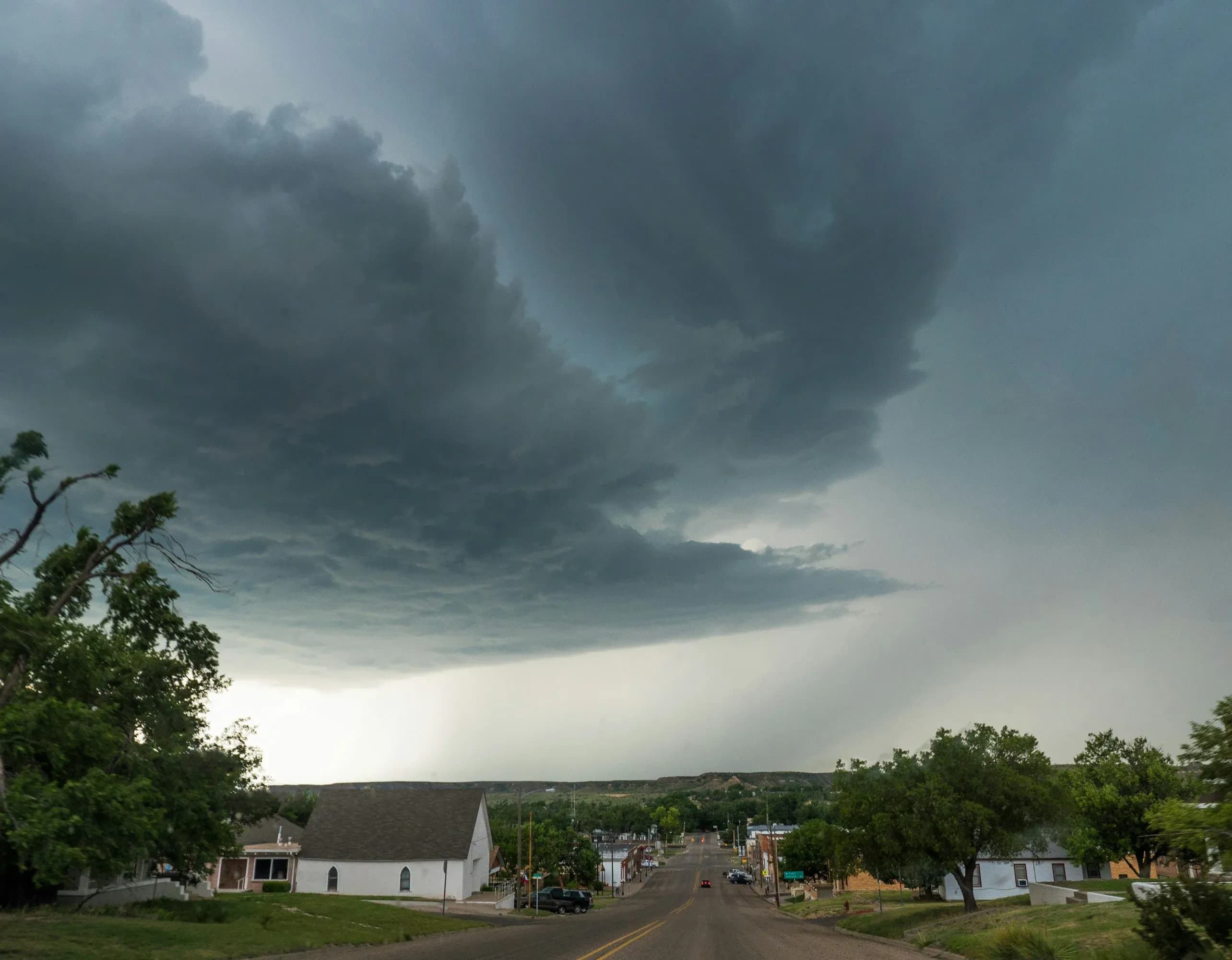
What is Wind Storm Insurance?
Windstorm insurance, sometimes also called wind insurance, is an insurance contract that provides financial coverage for homeowners and property owners who suffer damage due to high winds at an insured property.
How does wind insurance work with homeowners insurance?
Wind storm coverage may be included as part of a traditional homeowners insurance policy or commercial property insurance. Wind insurance is also available as a supplemental piece of additional coverage that can be purchased alongside the primary policy.
Standalone wind insurance policies can provide a valuable peace of mind to homeowners living in storm-prone areas such as the Great Plains, Midwestern, or Southeastern United States. The fact that these contracts are not tied to the home insurance billing cycle or payment method means a greater range of freedom for the homeowner as they decide on the level of coverage that works best for them and their home.
What does wind insurance cover?
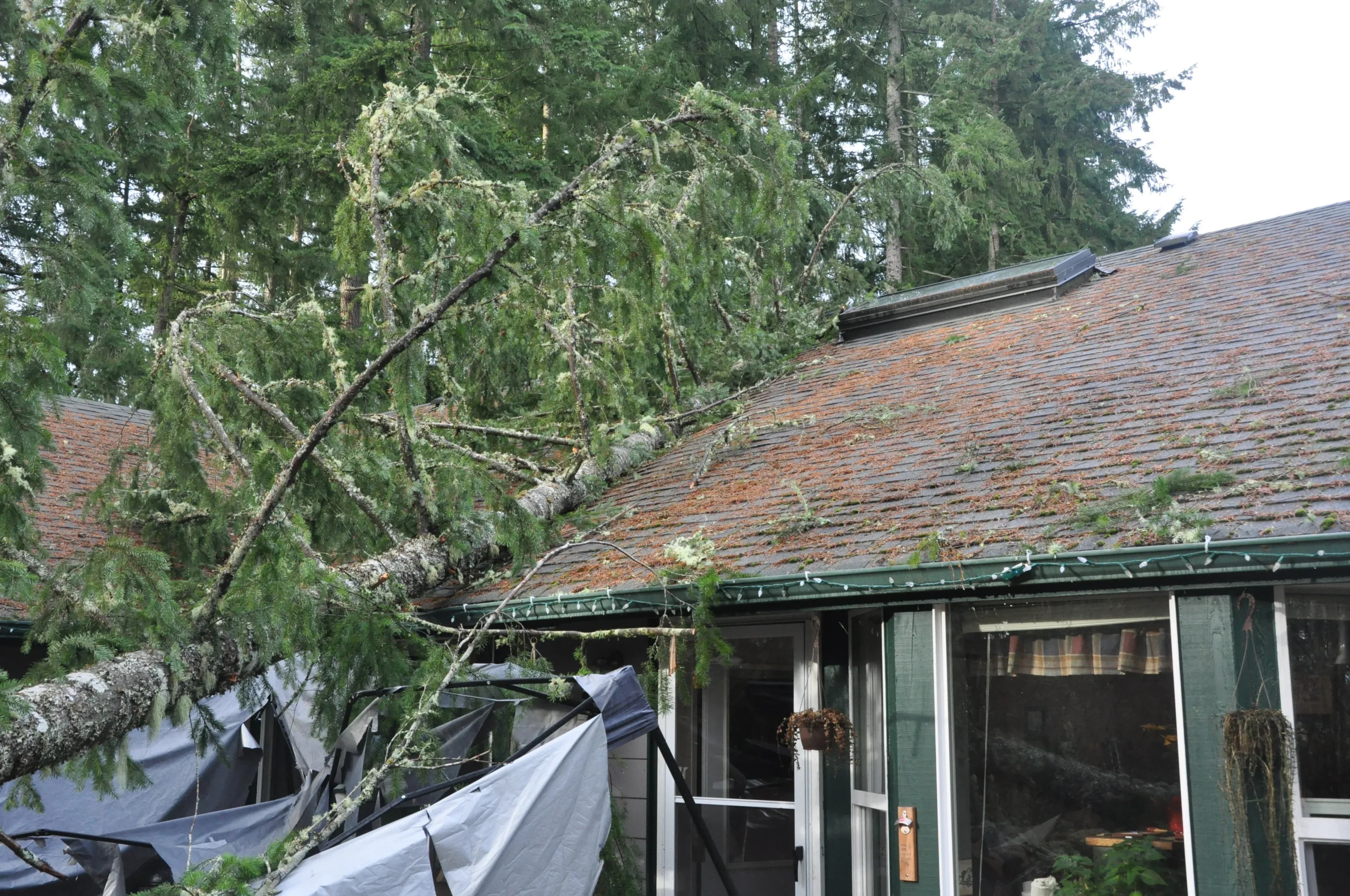
Windstorm insurance covers damage to an insured structure that is the result of high winds, flying debris, falling limbs, or other impacts that are the direct result of strong winds.
This could include tree limbs blown into a home, windows or skylights broken by falling trees, or missing siding that was intact before the storm. Residential wind coverage is intended to provide Dwelling Coverage that includes the main residence plus any attached structures such as a garage or a deck.
What isn’t covered by wind insurance?
Windstorm, or wind and hail insurance, doesn’t cover damage from other perils under a home insurance policy, such as fire. It also may contain an exclusion for ‘named storms,’ meaning that damage from a hurricane, typhoon, or tropical storm that was given a name by the National Weather Service would not be covered by the policy, and additional coverage could be required to maintain protection for the home.
Wind storm policies (and homeowners policies) typically exclude flood damage explicitly. If you purchased a wind insurance policy and the winds from a hurricane drove water into your home, you would not be covered for that damage unless you maintained a separate flood insurance policy.
What’s so important about wind insurance?
Wind and hail damage are the most common reasons for home insurance claims among American homeowners. If wind insurance coverage is not in place, many more of those families would find themselves facing costs of thousands of dollars to repair their homes to a safe condition.
While wind insurance generally includes a deductible that the policyholder must pay before repairs can begin, the cost of a deductible will almost always be less than the total cost of repairs to the home.
How do wind insurance deductibles work?
The deductible is the amount that the insurance company withholds (or deducts) from your payout and requires you to cover. Once the deductible has been paid, the remainder of the payout will be issued by the insurer to cover the remaining repair costs.
Homeowners insurance policies will have a deductible, usually set at a flat rate that could be $1,000, $2,000, or more. Even if wind insurance coverage is included in your policy, it is frequently assigned a separate deductible that only applies to claims made for wind and hail damage.
The wind deductible could be a flat rate as well, but in most cases today, the windstorm deductible will be calculated as a percentage of the value of the insured property--often 1-2% of the total insured property value.
Can I get lower rates on wind insurance?
There is sometimes flexibility in the costs of wind storm insurance, especially in areas where unpredictable weather patterns mean that preparedness is the best plan for every homeowner.
A popular method of negotiating for a better rate for wind insurance is to implement home improvements that make it less vulnerable to wind and hail damage. This could include the use of hail-resistant roofing materials, or building methods that have been certified by homebuilding authorities to help homes weather strong storms intact.
Ask your insurance agent if your home is eligible for better insurance prices if improvements of this kind are made.
How can I find standalone wind insurance for my home?
Contact your local insurance agent and ask any questions that you might be unsure about. You should understand the basic types of coverage included in your home insurance policy, including:
When you are clear on these details you will be better prepared to make a decision about the type and amount of wind insurance that would be the best fit for your home.
Get a quote for Sola Wind Insurance today and see how we can help protect your home.

Gray is the Senior Content Specialist at Sola Insurance, working with the Sales and Marketing teams to provide helpful, valuable content for homeowners and agents. Gray has worked previously in finance, logistics, and advertising.