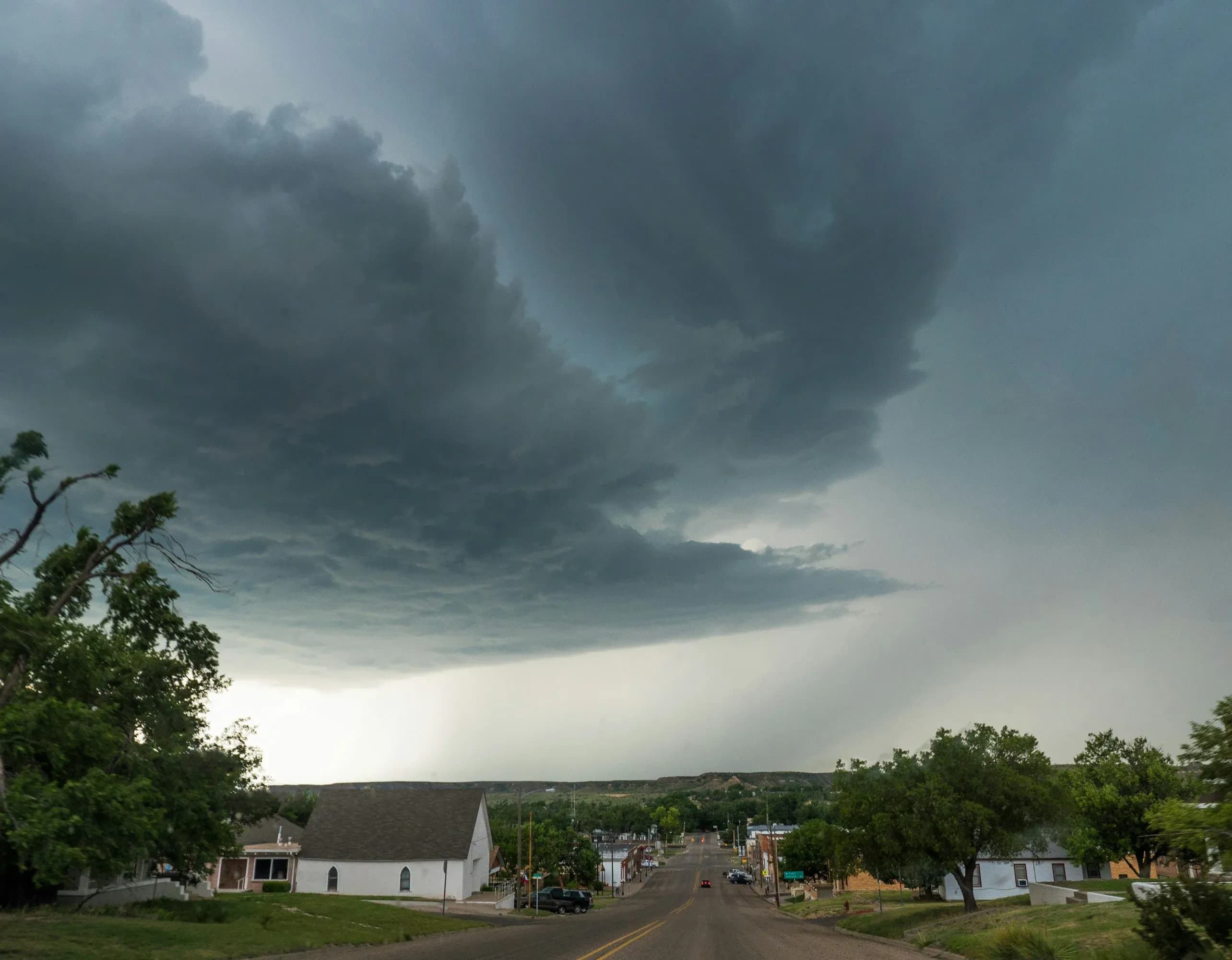
Where can I get wind/hail home insurance near me?
Homeowners can purchase wind and hail insurance from an insurance agent in their state, wherever they live. The pricing for that coverage and the type of policy they’ll need to buy can vary by state and by risk level, however. Wind and hail insurance may be more expensive, or may even be excluded from homeowners policies in some states with higher risk of wind and hail weather events.
Is hail a common threat in your state?
How frequently you experience hail and high winds in your state will play a part in determining what kind of hailstorm and windstorm insurance options are available for your home.
For most homeowners, the coverage limit of their home insurance policy will also apply to damage that may be caused by wind or hail events. Wind and hail insurance is a piece of homeowners insurance, and the terms are not equivalent.
How are home insurance policies priced out?
Regardless of your location, home insurance, including wind and hail insurance, will be written with two types of cost: the premium and the deductible.
Premium - This is the bill you pay to get and maintain an insurance policy. The premium may be billed on a monthly or an annual basis. If you fail to pay your premium, your coverage will likely be canceled.
Deductible - This is the amount you’ll owe towards the repair bill after you file a claim on your insurance policy. Once you’ve paid the deductible, the insurance company will release the funds to cover their portion of the repair bill. If you never need to file a claim, you will never have to pay a deductible. Most individual insurance policies you buy will carry their own deductible, and in some cases, specific parts of coverage may also have a separate deductible within the same policy.
In states where the wind and hail deductible is offered separately, it will likely be priced as a percentage of the total insured value of the property. Percentage deductibles of 2% or more are becoming more common each year, and the wind and hail deductible on a $500,000 home could be $10,000 or more.
Homeowners who aren't comfortable with the idea of paying a $10,000 deductible after having filed a claim on their damaged home may consider a deductible assistance policy. This type of add-on coverage offers a payout that can be used to cover the hail deductible with little or no out-of-pocket cost from the homeowner.
Sola Wind and Hail coverage is an option for many homeowners facing large hail deductibles on their homes. This additional coverage is available in 12 states, with more to come.
Currently available in:
- Arkansas
- Colorado
- Georgia
- Indiana
- Iowa
- Kansas
- Kentucky
- Missouri
- Ohio
- Oklahoma
- Tennessee
- Texas
What’s the difference between homeowners insurance and wind/hail coverage?
Traditional homeowners insurance policies provide coverage for a set of common perils–16 of them in most cases–and your home will be covered for as long as you maintain the policy with monthly or annual premium payments to your provider.
Wind and hail damage are typically included in that list of commonly covered perils. In fact, these paired perils are the reason for the majority of the home insurance claims made in the United States.
The frequency of wind and hail home insurance claims in the U.S. is the reason that many states allow or even make mandatory the separation of pricing for the wind and hail portion of a home insurance policy.
The questions that remain at this point can be answered by a short interval of comparison shopping and asking questions of your local insurance agent.
How much do these policies cost?
Homeowners insurance costs an average of $2,490/year in the U.S., with a significant variation between the lowest-risk states, such as Vermont, and the higher risk ones like Oklahoma, which can see premium prices of over $7,000 per year.
Who should I talk to about wind and hail coverage for my home?
If you don’t have a relationship with a trusted insurance professional, consider contacting your insurance provider for your nearest agent’s contact information. With that connection in place, you should be able to take any questions about the type of coverage that you need to this trusted expert for straightforward answers. You may also consider the use of an insurance broker.
Can I represent Sola Insurance in my area?
If you are an independent insurance agent and believe that Sola policies can help protect your clients’ homes and property, contact us today to learn more about how to partner with Sola for an attractive addition to your portfolio of coverage to offer, excellent human partner support for you and your colleagues, and opportunities for commissions and other rewards.

Gray is the Senior Content Specialist at Sola Insurance, working with the Sales and Marketing teams to provide helpful, valuable content for homeowners and agents. Gray has worked previously in finance, logistics, and advertising.