What kinds of wind and hail coverage are available?
Traditional Insurance - The coverage and payout are calculated based on the amount of physical damage and the related financial loss. Also called indemnity insurance, this is the most common type of insurance contract in the U.S.
Parametric Insurance - Parametric claims are qualified by and pay out based on a previously defined set of circumstances that must be met for the policy to become active.
Hybrid Parametric Insurance - Hybrid claims are qualified in a manner similar to how they are for full parametric insurance, with the qualification being based on both a parametric trigger and proof of the loss.
How does a traditional windstorm policy work?
Trigger Event - Recorded, measurable damage to a property is reported
Claims Process - A user files a claim, the carrier investigates, and damage is assessed
Payout Timing - Often takes weeks or months for more complex cases
Funds Usage- Claim payout funds are strictly limited to repair or replacement needs
Uses - Available for auto, home, liability, business property damage, and others
How does a parametric hybrid windstorm policy work?
Trigger Event - A qualifying weather event happened at an insured location
Claims Process - A user files a claim, providing a description and evidence of the damage
Payout Timing - Usually issued in 1-2 weeks or faster
Funds Usage - Claim payout funds can be used for any related expenses
Uses - Available for natural disasters, supply chain disruptions, and other measurable events
What does wind and hail insurance cover?
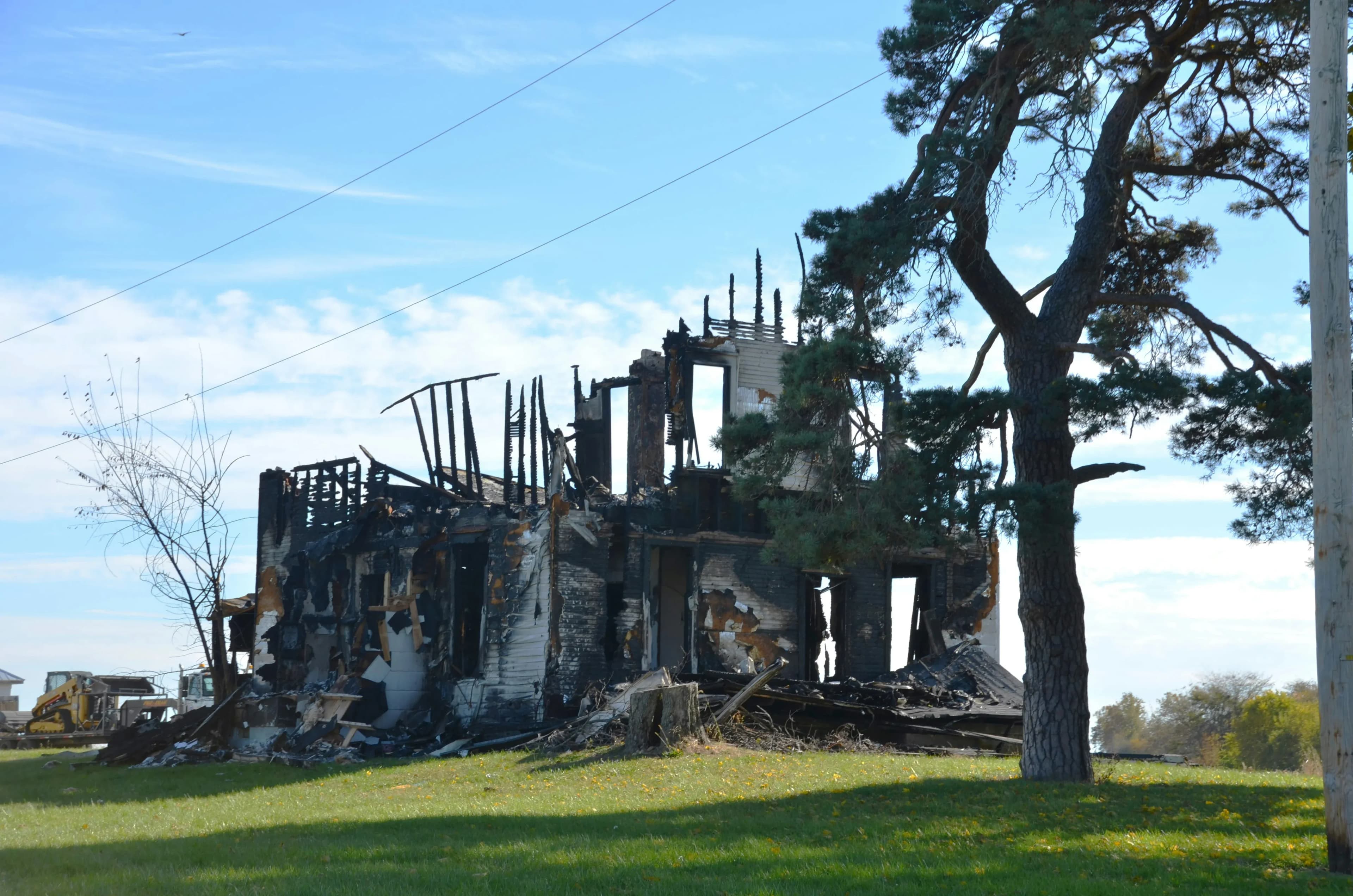
Wind and hail insurance, sometimes called windstorm insurance or hail insurance, is often included as part of a broader homeowners insurance package. These policies provide coverage for damages caused by straight-line winds like derechos, hailstorms, and other hazards formed by Severe Convective Storms (SCS).
In most cases, the wind/hail coverage provided by a policy is limited to certain types of wind or hail damage. Typical damages covered by wind and hail insurance include:
- Damaged or missing shingles
- Holes in a roof
- Holes in siding
- Missing siding
- Broken windows
- Structural damage from fallen trees or branches
What does wind and hail insurance exclude?
The most common exclusions are what are known as ‘named storms,’ meaning hurricanes, typhoons, and tropical storms that are recognized and named by the National Weather Service.
Wind and hail coverage also may exclude ‘cosmetic damage’ in cases where there is no structural damage to the property, but only minimal dings or dents that do not affect the building’s ability to repel the elements.
Water damage inside of the home that was not a result of roof or siding damage may be excluded, and would require a separate flood policy or water intrusion coverage within the main home insurance policy for compensation.
Home wind and hail insurance also does not cover vehicles parked at the home in the case of hail. Your car would need to be covered by its own auto insurance policy, regardless of where it was parked.
Which type of coverage is best for your needs?
In areas that are at higher risk of named storms or severe thunderstorms and hail, such as the Plains states, the Midwest, and most of the Southeastern states, additional coverage (parametric or otherwise) that supplements the primary policy may be necessary to maintain a financially secure home. Wind and Hail Insurance from Sola can help residents of these states cover the higher wind and hail deductibles that come with home ownership in a specific area.
Homeowners residing in states that are not known for named storm activity may find that a traditional homeowners policy with basic roof coverage meets their needs, without the addition of any extra or standalone coverage.
How can you change from one type to another?
If your traditional homeowners policy and the wind/hail provision it includes aren’t sufficient to cover risk you take on from owning a home in your town, consider the addition of a standalone, parametric or hybrid parametric wind and hail insurance policy to compensate. You may find that the relatively inexpensive premium costs of the standalone policy would be worth it for the extra protection the policy provides.
Contact your local insurance agent to discuss your home wind and hail insurance needs include, and stay informed on what level of coverage your homeowners policy provides. Avoid surprise costs by asking these questions ahead of time, and not waiting until after a storm has struck.
Sources:
Svoboda, Tim. "Demystifying Parametric Insurance Part I: What Is It and How Does It Work" Conner, Strong & Buckelew Insights, May 13, 2026, https://www.connerstrong.com/blog/insights-detail/latest-thinking/demystifying-parametric-insurance-part-i-what-is-it-and-how-does-it-work/

Gray is the Senior Content Specialist at Sola Insurance, working with the Sales and Marketing teams to provide helpful, valuable content for homeowners and agents. Gray has worked previously in finance, logistics, and advertising.